Start with geometry
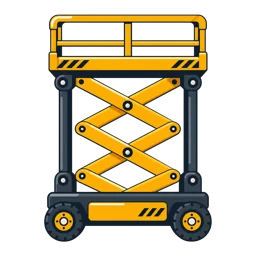
- Straight up, under the task: scissor platform. Choose electric for smooth interiors (/electric-scissor-lift-rental/) or rough-terrain for mixed outdoor ground (/rough-terrain-scissor-lift-rental/).
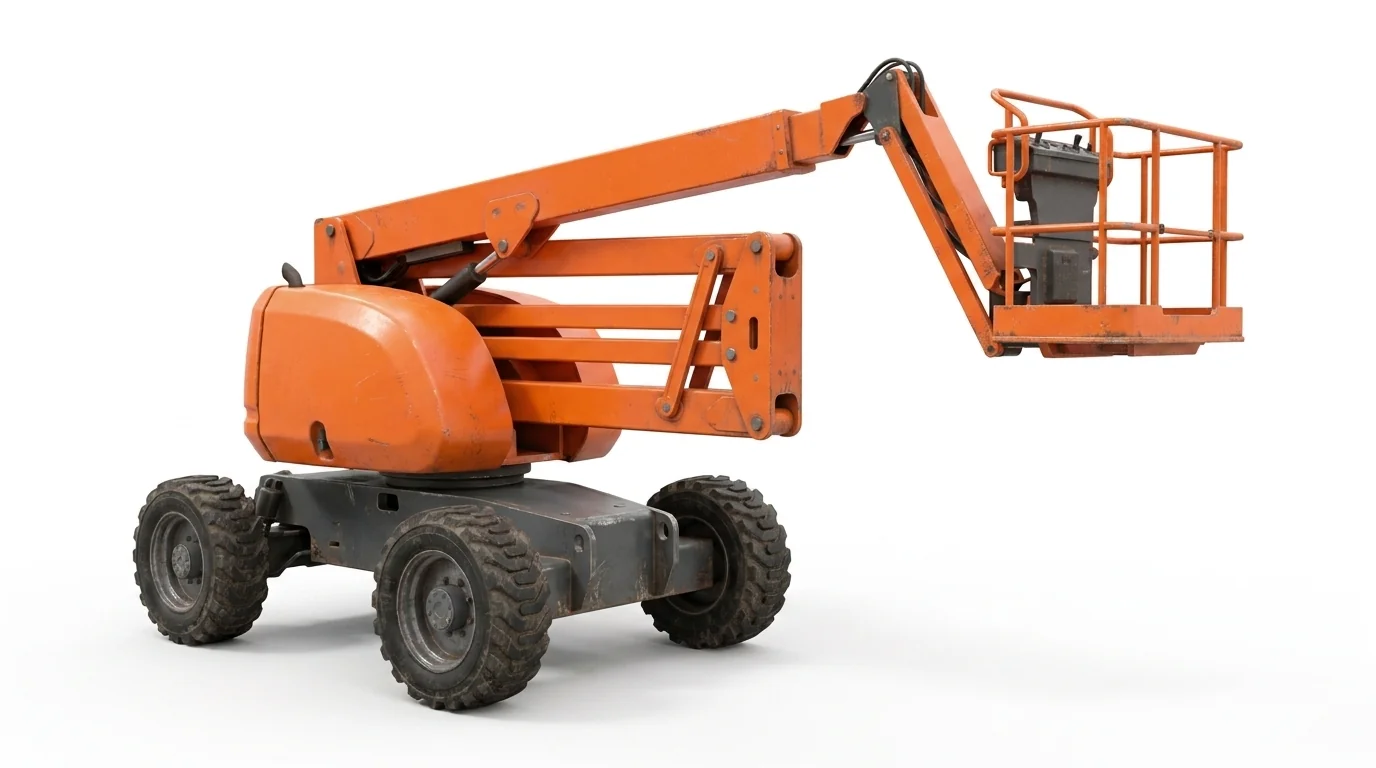
- Up-and-over around obstacles: boom lift. Articulating models handle complex positions; telescopic models favor long, direct reach. See /boom-lift-rental/.
Local factors that change the pick
- Winter snow and spring softness complicate exterior staging. Rough-terrain platforms generally handle those surfaces better than slab units.
- Large institutional interiors often require quiet, low-emission equipment that protects finished floors, pointing to electric scissors and compact booms.
- Summer heat and humidity can shorten practical run time; plan charging or cool-down windows during peak construction months.
Scissor vs. boom: quick comparisons
- Scissor lifts: bigger decks, vertical movement, efficient for multi-person tasks under open overhead areas.
- Articulating booms: up-and-over around canopies, mezzanines, and pipework.
- Telescopic booms: longer horizontal reach for setbacks across parking lots or laydown yards.
Common South Bend applications
- Warehouses and distribution: inventory access and maintenance with electric scissors.
- Campus-ready interior work: lighting and systems maintenance where low noise and clean operation matter.
- Exterior construction and signage: articulating or telescopic booms for offsets and rough-terrain scissors for straight-up tasks on unfinished ground.
Always align selection with actual site conditions. The chosen unit’s instructions and your procedures govern safe operation.