Define the placement first
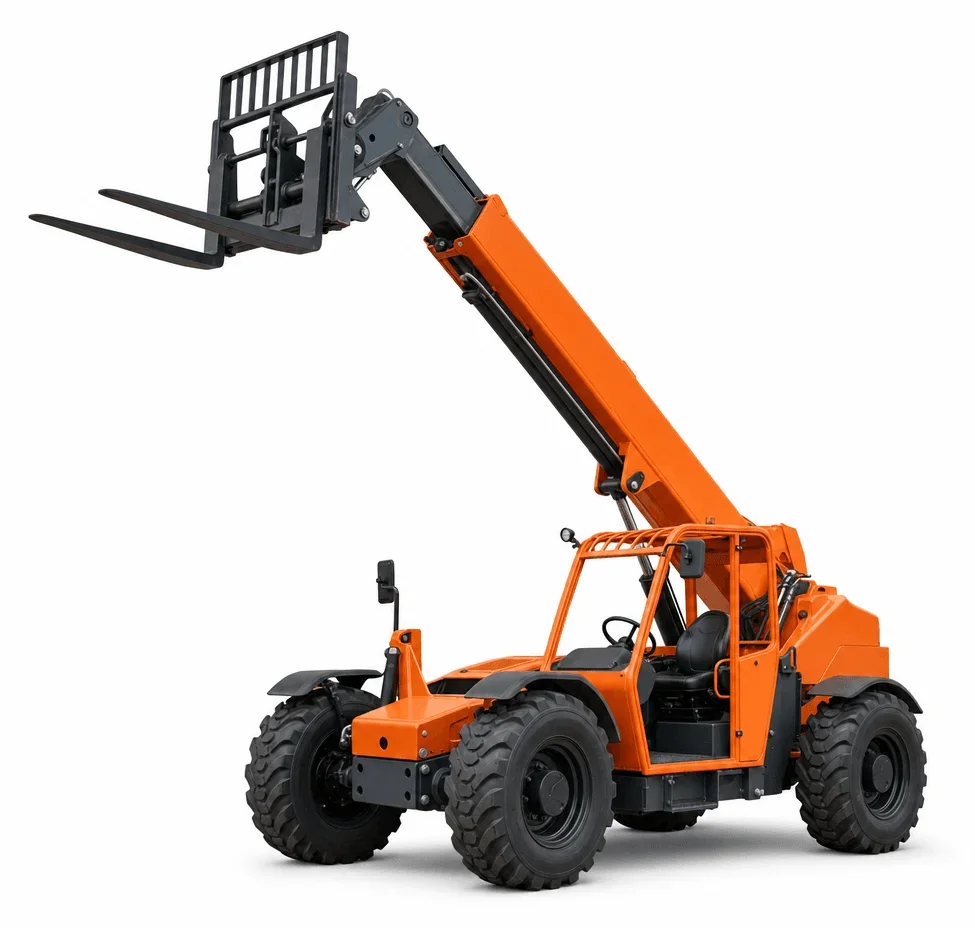
Telehandlers are all about where the load must land. Note three things: - Maximum load weight at ground level - Setback from the machine to the landing point - Placement height, especially over parapets or dock edges
With those, read the load chart for the intended boom angle and extension. Many placements along roofs or mezzanines reduce rated capacity compared to ground-level lifts.
Local conditions that affect the pick
- Spring softness and winter ruts: Yards and staging areas around South Bend can be uneven. Rough‑terrain capability is standard, but actual firmness still governs stability and approach.
- Heat and humidity: Long shuttling runs in summer increase thermal load; plan fueling and cool-down per site procedures.
- Mixed sites: Institutional settings may require tighter turning, lower noise, and attention to turf protection.
Sizing and attachments to consider
- Capacity class: Choose by the heaviest pallet plus rigging, then confirm at the reach you need.
- Boom reach vs. chassis size: Longer reach increases overall length and tail swing; verify gate and lane widths.
- Fork length and carriage features: Match to pallet depth and landing space. Side-shift and tilt options can help align loads within narrow openings.
When another category suits the task
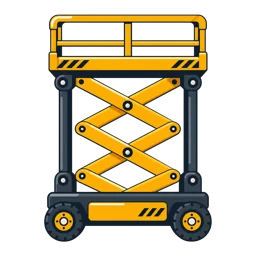
- Repeated personnel access at height: /rough-terrain-scissor-lift-rental/ or /boom-lift-rental/
- Extreme horizontal reach with people on board: /telescopic-boom-lift-rental/
- Tight indoor picking on slab: /forklift-rental/
South Bend use cases
- Staging roofing bundles where truck cranes can’t reach due to soft ground
- Feeding masons along long walls in industrial sites
- Moving maintenance supplies across broad campuses with varied surfaces