Decide by reach and setback
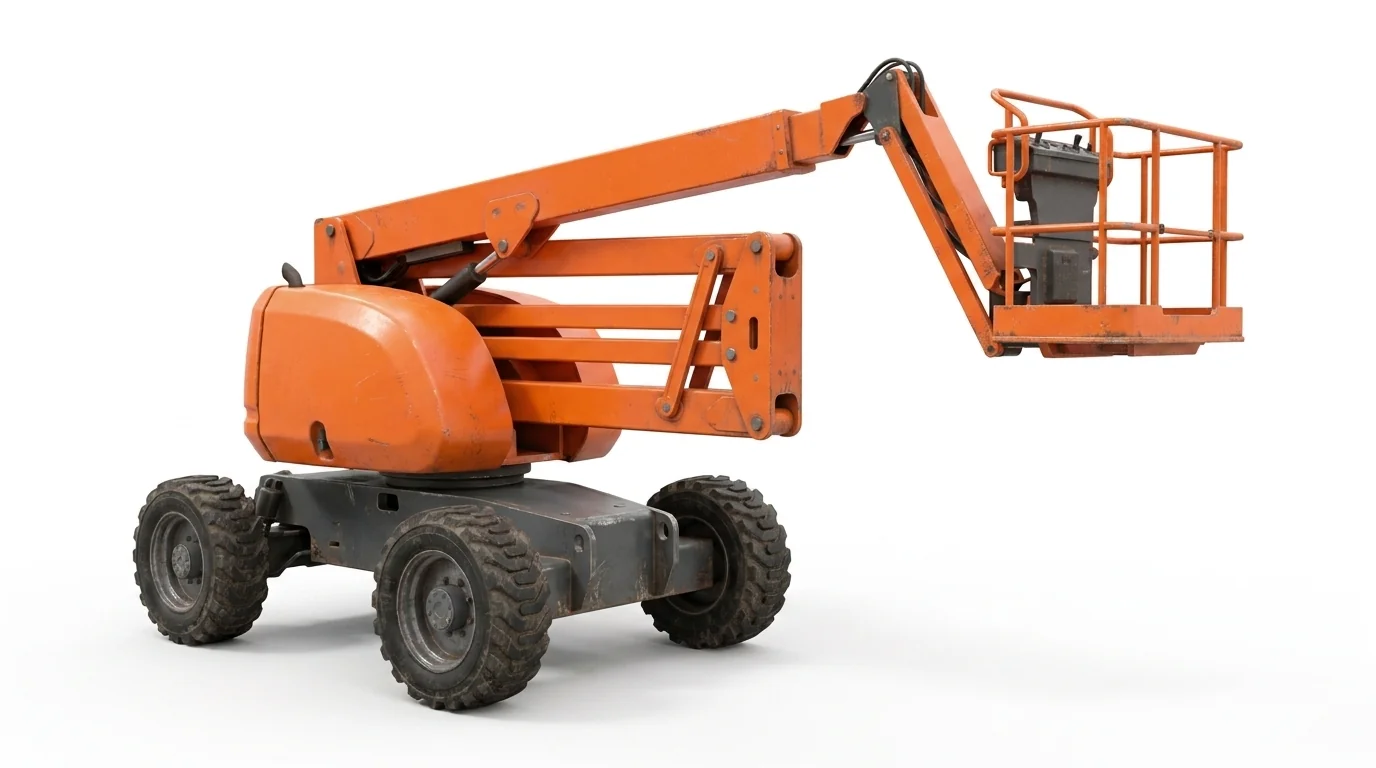
Start with two numbers: the work height and the horizontal setback from the safe parking spot to the target. Telescopic booms favor long, direct outreach. If an eave, canopy, or pipe run blocks the line, an articulating model may be the better fit; see /articulating-boom-lift-rental/ for up‑and‑over placements.
South Bend site factors
- Winter and thaw: Snow berms and soft shoulders push the machine farther from the structure, increasing required outreach. Rough‑terrain models handle uneven exterior conditions better than slab units.
- Summer heat: Extended idling and long travel in humid conditions reduce efficiency; plan fueling and breaks per site procedures to keep the machine within recommended duty cycles.
- Industrial campuses: Long, clear lanes and large façades play to a straight boom’s strengths, but verify turning radii at gates and between bollards.
Dimensions that narrow the model
- Chassis width and wheelbase: Confirm access through gates, between parked trailers, and around loading docks.
- Platform capacity vs. reach: Higher outreach reduces allowable load on many charts. Verify your tooling weight before selecting a length class.
- Gradeability and tires: For exterior gravel or plowed lots, match tire type and ground clearance to actual conditions.
When a different category fits better
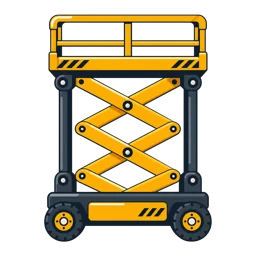
- Overhead but close-in work on slab: /electric-scissor-lift-rental/
- Exterior deck work with frequent up/down along a façade: /rough-terrain-scissor-lift-rental/
- Material placement to height rather than people to height: /telehandler-rental/
Local applications
- Envelope repairs along long walls in industrial sites
- Lighting and camera mounts across open parking fields
- Mechanical work on tall structures where the machine must sit outside landscaped setbacks